


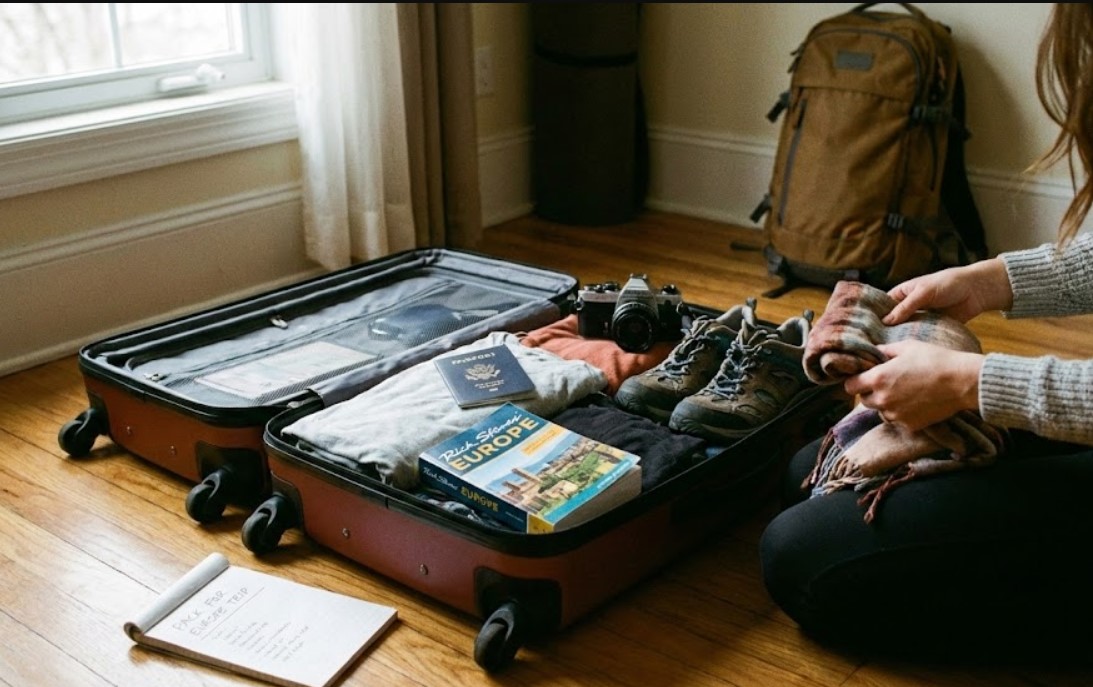
Traveling to Europe is a dream for many, offering a rich blend of history, culture, and breathtaking landscapes. But packing for your European adventure can be a daunting task. With such diverse climates and activities across the continent, knowing exactly what to pack can be challenging. Whether you’re heading to the romantic streets of Paris, the sunny beaches of Spain, or the snow-capped mountains of Switzerland, your packing list will vary depending on the time of year.
In this guide, we’ll break down what to pack for a Europe trip based on the month of your travel, providing tips for every season and destination. By the end of this article, you’ll feel confident and prepared for your European getaway, no matter the time of year.
Also Read: Do The Driving Modes In Cadillac Lyriq Offer Different Ranges Or Battery Ssages?
What to Pack for a Europe Trip in January: Embrace the Winter Wonderland
Europe in January is cold, often snowy, and perfect for winter sports or cozy city breaks. Whether you’re planning to hit the ski slopes in the Alps or explore the magical Christmas markets, packing correctly is crucial to stay warm and comfortable.
Clothing Essentials:
- Thermal Layering: A thermal base layer is a must to keep you warm during outdoor activities. Choose moisture-wicking fabrics like merino wool to stay comfortable in extreme cold.
- Winter Coat: A waterproof, insulated winter coat will protect you from the chilly wind and possible snow.
- Warm Accessories: Pack a hat, gloves, and scarf to keep your extremities warm. Opt for wool or fleece to ensure insulation.
- Waterproof Boots: With the possibility of snow and slush, waterproof, insulated boots are a smart choice for exploring European cities and outdoor adventures.
Other Essentials:
- Ski Gear: If you’re hitting the slopes, don’t forget ski pants, goggles, and gloves.
- Medication: Cold and flu medications, lip balm, and hand lotion will come in handy for protecting your skin from the harsh winter weather.
Pro Tip: Layering is key in January. It’s better to have multiple layers you can remove indoors than to risk being too cold outside.
What to Pack for a Europe Trip in February: Make the Most of Winter Travel
February in Europe is still deep winter, so expect cold temperatures and the possibility of snow, especially in northern and central Europe. It’s an excellent month for winter festivals or experiencing the low-season peace in major cities.
Clothing Essentials:
- Heavy Winter Coat: A long, insulated coat with a fur-lined hood is essential.
- Thermal Socks and Gloves: With temperatures below freezing, pack several pairs of thermal socks to keep your feet warm and dry. Don’t forget a pair of gloves.
- Fleece Layers: Thermal fleece or down layers are perfect for layering under your coat.
Other Essentials:
- Snow Gear: If you’re visiting ski resorts, pack snow gear like snow boots and snow pants.
- Electric Charger: Cold weather drains batteries quickly, so carry a portable charger for your phone.
Pro Tip: Since February is off-peak in many places, use the opportunity to explore museums and cultural sites without the crowds.
What to Pack for a Europe Trip in March: Spring is Coming
March marks the end of winter and the start of spring in many parts of Europe. The temperatures begin to rise slightly, but there’s still a chill in the air, especially in northern Europe. It’s an excellent time for city tours, cultural activities, and perhaps even the first hints of spring in southern Europe.
Clothing Essentials:
- Jacket: A lighter jacket or coat for cooler evenings and mornings.
- Umbrella: March can be unpredictable with rainfall, so pack a portable umbrella.
- Layered Clothing: Use lighter layers, such as T-shirts or shirts, underneath your jacket for comfort.
Other Essentials:
- Comfortable Walking Shoes: You’ll likely be walking a lot as you explore, so sturdy walking shoes are a must.
- Sunscreen: The sun can be stronger than you think, especially in southern Europe. Apply sunscreen even on cloudy days.
Pro Tip: Keep your itinerary flexible in March—plan for indoor activities on rainy days and outdoor excursions when the sun is out.
What to Pack for a Europe Trip in April: The Essence of Spring
April brings full-fledged spring to much of Europe, with moderate temperatures and blooming flowers in many destinations. While still chilly in northern Europe, southern Europe starts warming up, making it ideal for sightseeing and outdoor activities.
Clothing Essentials:
- Light Jacket: A breathable, light jacket will keep you comfortable in most weather conditions.
- Scarves and Layers: Light scarves and sweaters will help when the temperatures dip in the evening.
- Comfortable Footwear: Sneakers or flats are ideal for walking through cities, parks, or along the beach.
Other Essentials:
- Sunglasses: As the sun becomes stronger, a good pair of sunglasses is essential.
- Camera: Don’t forget your camera to capture the stunning spring scenery.
Pro Tip: April is the time to explore outdoor markets and parks, especially in cities like Paris, Barcelona, and Rome.
Also Read: gocryptobet.com bet: The Ultimate Guide to Betting with Crypto
What to Pack for a Europe Trip in May: Enjoy the Pleasant Weather
May is one of the best months to visit Europe, offering mild weather and fewer crowds than the summer months. From the beaches of Greece to the streets of London, you’ll be able to enjoy a variety of outdoor activities without the intensity of the summer heat.
Clothing Essentials:
- Light Jacket or Cardigan: While it’s warm during the day, it can still get chilly in the evenings.
- Casual Clothes: Light shirts, skirts, and pants are perfect for daytime activities.
- Comfortable Shoes: Comfortable shoes for walking around will be crucial, especially as May is a great time for outdoor sightseeing.
Other Essentials:
- Water Bottle: Hydration is key when traveling in pleasant weather.
- Adapter: Don’t forget a universal power adapter for your electronic devices.
Pro Tip: This is a great month for outdoor adventures like hiking in the Swiss Alps or exploring the Greek Islands.
What to Pack for a Europe Trip in June: Summer Kicks In
June marks the start of summer in Europe, with warmer temperatures and longer days. The Mediterranean regions are getting hot, and northern Europe can be pleasantly warm as well.
Clothing Essentials:
- Lightweight Clothing: Pack T-shirts, shorts, and light dresses to stay cool during the day.
- Sun Protection: Sunscreen, sunglasses, and a hat are essential for protecting yourself from the strong sun.
- Swimwear: Many destinations in Europe, especially by the Mediterranean, are perfect for beach vacations.
Other Essentials:
- Portable Fan: Temperatures in southern Europe can rise quickly, so a portable fan is a great way to stay cool.
- Travel Guidebook: With so many outdoor activities to enjoy, having a guidebook for quick tips will help.
Pro Tip: With longer days, take advantage of the extra daylight to explore both city landmarks and nature reserves.
What to Pack for a Europe Trip in July: Peak Summer Travel
July is peak summer in Europe, with warm to hot temperatures across most countries. It’s a great time to explore major cities, go to the beach, or attend festivals.
Clothing Essentials:
- Breathable Fabrics: Cotton, linen, and other breathable fabrics will keep you cool.
- Comfortable Sandals: Ideal for the hot summer months, sandals or open-toed shoes are perfect for walking around cities or relaxing at the beach.
- Sun Protection: A wide-brimmed hat, sunscreen, and sunglasses are crucial during the peak heat of summer.
Other Essentials:
- Backpack: A small backpack will help you carry essentials like water, sunscreen, and snacks for your day out.
- Power Bank: Stay powered up as you navigate your way through busy European cities.
Pro Tip: Plan for early starts to avoid midday heat and the crowds of tourists.
Also Read: Gocryptobet.com Crypto: Secure Crypto Betting & Wallet Services
What to Pack for a Europe Trip in August: The Summer Peak Continues
August is similar to July, with the summer heat continuing across Europe. Many locals go on vacation during this time, so some cities might be quieter, but tourist spots will still be busy.
Clothing Essentials:
- Light, Airy Clothing: Keep your outfit light and cool with dresses, tank tops, and shorts.
- Cooling Products: Consider cooling towels or mists to stay comfortable in the heat.
Other Essentials:
- Insect Repellent: With the warmer weather, bugs might be more prevalent, especially in rural or coastal areas.
- Earphones: For the long trips on trains or buses.
Pro Tip: August is a great time to visit the beach, so pack a beach bag with sunscreen, a towel, and a good book.
What to Pack for a Europe Trip in September: The Autumn Transition
September is a beautiful month in Europe, offering a transition from summer to fall. The weather is still pleasant, but temperatures start to cool down, especially in northern Europe.
Clothing Essentials:
- Layered Outfits: Pack both summer and fall clothing so you can easily adjust to the changing weather.
- Light Jacket: Perfect for chilly evenings.
- Comfortable Shoes: Explore on foot in comfortable shoes as you enjoy Europe’s autumn charm.
Other Essentials:
- Camera Gear: September is an ideal time for photography as the colors start to shift in some areas.
Pro Tip: This is a great month for exploring vineyards and autumn festivals.
What to Pack for a Europe Trip in October: Fall in Full Swing
October in Europe brings full autumn, with cooler temperatures, beautiful fall foliage, and fewer tourists. It’s the perfect time to explore museums, markets, and the countryside.
Clothing Essentials:
- Sweaters and Jackets: Layer up with cozy sweaters and light jackets.
- Comfortable Boots: Sturdy boots for walking through autumn landscapes or city streets.
Other Essentials:
- Thermal Layers: As temperatures drop, thermal layers will keep you warm.
- Travel Insurance: October can bring unpredictable weather, so ensure your travel insurance is updated.
Pro Tip: This is a fantastic time to visit European vineyards or enjoy Oktoberfest in Germany.
Also Read: Ray Kai Cenat Age: Understanding the Life and Career of a Digital Creator
What to Pack for a Europe Trip in November: Crisp Autumn Weather
November is the beginning of winter in Europe, with chilly weather and shorter days. It’s a time to experience fewer tourists and take in the quiet beauty of European cities.
Clothing Essentials:
- Warm Jacket: A heavier jacket for colder temperatures.
- Scarves and Gloves: Protect yourself from the chill with accessories.
Other Essentials:
- Hand Warmers: Useful for chilly evenings or long outdoor tours.
- Umbrella: November can be rainy, so an umbrella is essential.
Pro Tip: It’s a great time to explore cities like Prague or Vienna for their festive atmosphere.
What to Pack for a Europe Trip in December: Festive Magic
December brings the magic of Christmas to Europe, with Christmas markets, winter festivals, and snowy landscapes.
Clothing Essentials:
- Winter Coat: A heavy coat is necessary for colder cities, especially in central and northern Europe.
- Thermal Layers: Layer up to stay warm.
Other Essentials:
- Festive Gear: Pack a festive scarf or hat for holiday spirit.
- Power Bank: Cold weather drains batteries quickly.
Pro Tip: December is perfect for visiting Christmas markets in cities like Munich and Vienna.
Conclusion
Packing for a Europe trip can be a challenge, but with the right approach and knowledge of what to pack for each season, you can ensure a comfortable and enjoyable experience. Whether you’re traveling in the heart of winter or the heat of summer, the key is to plan for the weather, activities, and your comfort. Use the tips above for every month of the year to ensure your trip is well-prepared and hassle-free!
For more update visit dailycaller.co.uk
