


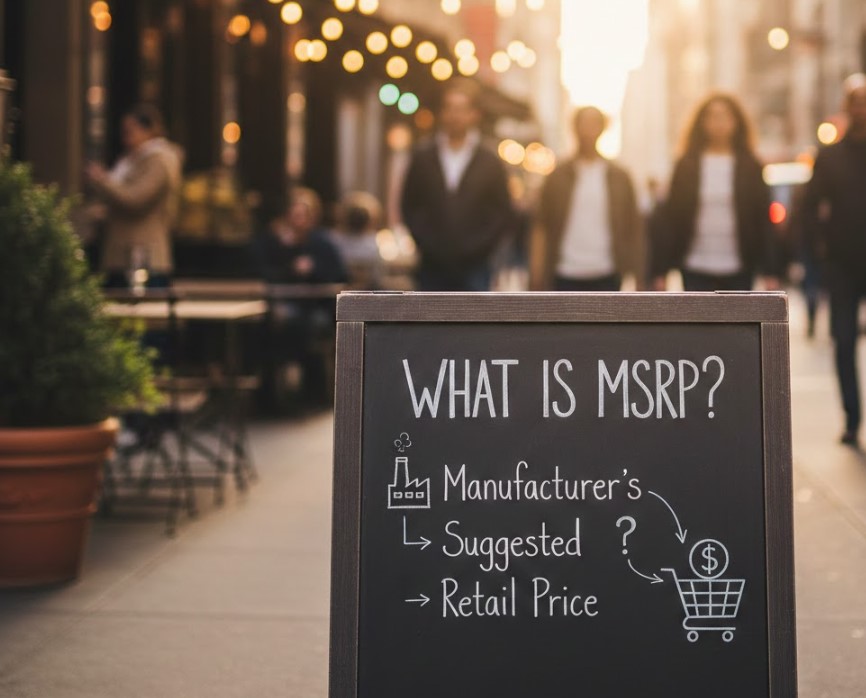
When shopping for a car, appliance, or any product, you’ve likely encountered the term MSRP, but what exactly does it mean? MSRP stands for Manufacturer’s Suggested Retail Price. It represents the price that the manufacturer recommends a product should be sold for in the market. While this suggested price may differ from what the actual selling price is, it serves as a baseline for both buyers and sellers. Understanding MSRP is key to making informed purchasing decisions, especially when it comes to big-ticket items like cars.
In this comprehensive guide, we will explore what MSRP is, its significance, how it impacts the pricing of products (with a focus on cars and vehicles), and much more. By the end of this article, you’ll have a clear understanding of what MSRP means, its role in pricing strategies, and how it influences the purchasing experience.
What is MSRP? A Comprehensive Overview
What is MSRP Mean?
The term MSRP stands for Manufacturer’s Suggested Retail Price. It is the price that the manufacturer of a product recommends that the retailer charge consumers. While the MSRP price is not always the final price a consumer will pay, it provides a general idea of the cost of a product. Retailers are free to set their own prices, often adjusting based on factors like market demand, inventory levels, and promotional offers.
Understanding what MSRP means is crucial for anyone looking to make a purchase, as it helps buyers assess whether they are paying a fair price for a product, especially in industries like automotive, electronics, and appliances.
What Does MSRP Stand For?
As mentioned earlier, MSRP stands for Manufacturer’s Suggested Retail Price. This suggested price serves as a guideline for retailers but does not necessarily reflect the actual selling price. MSRP is primarily used by manufacturers to standardize the pricing of their products across various retail outlets. However, retail stores and dealerships often offer discounts, which may lower the final price a customer pays.
Also Read: What Does Mold Smell Like? A Comprehensive Guide to Recognizing Mold Odors
What is MSRP for Cars?
Understanding MSRP in the Car Industry
When it comes to cars, MSRP refers to the price that the car manufacturer recommends for the vehicle at the dealership. This figure does not include additional costs like taxes, dealer fees, or optional add-ons, which can increase the final price of the vehicle.
For new cars, the MSRP for a car serves as the baseline for negotiations. While dealerships may charge the MSRP, it’s not uncommon for buyers to negotiate a price lower than the MSRP, especially if the car is not in high demand or if the dealership is running a promotion.
What is MSRP on a Vehicle?
The MSRP on a vehicle is the manufacturer’s recommended retail price for that specific model. This figure includes all the basic features and configurations the vehicle is equipped with at the time of purchase. Dealerships may also include optional upgrades, such as leather seats, advanced technology, or a sunroof, which can push the final price above the MSRP.
Understanding what MSRP on a vehicle means helps buyers compare prices between different dealerships, ensuring they are paying a fair price for the car they want.
The Role of MSRP in Car Buying
What is MSRP When Buying a Car?
When buying a car, MSRP serves as the starting point for the price. The MSRP for a car does not include additional costs such as taxes, title, registration, or insurance. It’s important to understand that the MSRP on a car is often negotiable, and many buyers can pay less than the listed price.
In the competitive world of car sales, understanding what MSRP when buying a car means can help buyers avoid paying inflated prices. If a dealership is offering a car at or above the MSRP, it’s essential to assess if the vehicle is worth the price. Negotiation plays a critical role in securing a better deal.
Is MSRP the Final Price for a Car?
No, MSRP is not the final price for a car. The final price may be lower or higher depending on various factors, including dealership promotions, available discounts, and the buyer’s negotiation skills. Additionally, some manufacturers set pricing tiers for vehicles, meaning certain trims or packages might have an MSRP that’s higher than the base model.
Buyers should always inquire about any additional fees and taxes that might affect the MSRP price.
What is MSRP for Used Cars?
MSRP for New vs. Used Cars
While MSRP for new cars is straightforward, MSRP for used cars can be a bit trickier. Since used cars are no longer being sold directly by the manufacturer, they don’t come with a fixed MSRP. Instead, used car pricing is typically influenced by factors such as the vehicle’s condition, mileage, and market demand.
However, some dealerships may advertise used cars at prices that are close to the MSRP for new cars if the vehicle is in excellent condition or if it includes premium features. When purchasing a used car, it’s essential to compare the asking price with the car’s market value and take into account any upgrades or modifications.
Also Read: Complete Guide to Text Message Abbreviations: 200+ Common Acronyms Explained
How to Negotiate MSRP When Buying a Car
Tips for Getting the Best Deal
Negotiating the MSRP price when purchasing a car can save you thousands of dollars. Here are some tips:
- Do Your Research: Know the car’s MSRP and the invoice price (what the dealership paid for it). This gives you a better idea of the potential for negotiating a discount.
- Look for Rebates and Incentives: Manufacturers often offer rebates and incentives that can reduce the overall price of the car. Ask about any available offers before settling on a price.
- Leverage Competing Offers: Visit multiple dealerships and get quotes. A dealership may be willing to lower their price if they know you’re considering other options.
- Be Prepared to Walk Away: If a dealer is unwilling to negotiate or offers a price too close to the MSRP, be prepared to walk away. There are plenty of dealerships that are willing to work with you.
- Negotiate Add-ons Separately: If you want additional features like extended warranties or accessories, negotiate these separately from the MSRP to avoid paying inflated prices.
How Does MSRP Impact the Pricing Strategy?
MSRP Price vs. Actual Sale Price
The MSRP price provides a reference point for what the manufacturer believes a product should be sold for, but the actual sale price may differ due to market conditions. In the car industry, the MSRP serves as a baseline, but dealerships often provide discounts or financing options to attract buyers.
Some dealers may even sell cars below the MSRP to move inventory, especially at the end of the year when manufacturers release new models.
MSRP and Discounting
Discounting is a common practice in many industries, including car sales. When buying a car, MSRP for cars can be significantly reduced through various discount programs, including seasonal promotions or holiday sales. These discounts are often a percentage off the MSRP, which makes it possible for buyers to secure a vehicle at a lower cost.
Also Read: What is a Lip Flip? All You Need to Know
Conclusion
Understanding what MSRP is and how it affects the pricing of cars, vehicles, and other products is essential for making informed purchasing decisions. MSRP provides a benchmark for buyers, but it is crucial to remember that this is only a suggested price, and the actual price you pay can often be negotiated down. Whether you’re purchasing a new car, used car, or other products, knowing how to use MSRP to your advantage can save you money and give you more confidence in your buying decisions.
FAQs
Q1: What is MSRP for cars?
The MSRP for cars is the price the manufacturer suggests a dealership should sell the car for, excluding taxes, fees, and optional add-ons.
Q2: Does MSRP include taxes and fees?
No, MSRP does not include taxes, registration fees, or any other additional charges. These are added to the final purchase price.
Q3: How can I negotiate the MSRP when buying a car?
You can negotiate the MSRP price by researching the car’s invoice price, looking for discounts, and getting quotes from multiple dealerships to find the best deal.
Q4: What is MSRP for used cars?
Used cars do not have a fixed MSRP since they are no longer being sold by the manufacturer. However, the asking price can be influenced by factors like condition and market demand.
For more update visit dailycaller.co.uk
