


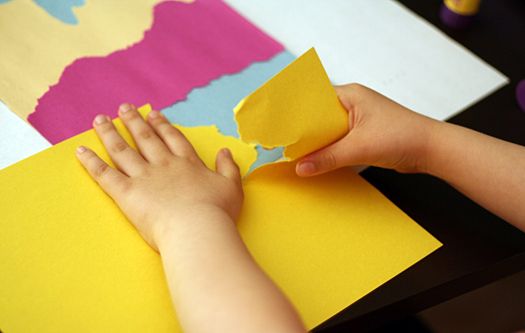
Construction Paper has long been a trusted companion in classrooms, homes, and creative spaces. Known for its bright colors and sturdy feel, it supports learning, imagination, and hands-on activities, making it one of the most essential art supplies for children and educators alike.
Birth of Construction Paper
The story of Construction Paper began with the growing need for an affordable and durable material that children could easily use for creative activities. As schools expanded art education, regular writing paper proved too thin and fragile for cutting, folding, and gluing. Construction paper was developed as a sturdier alternative, designed specifically to handle hands-on projects while remaining easy to work with. Its colorful nature instantly made it appealing to young learners.
Age and Historical Evolution
Construction Paper became widely popular during the early 20th century as formal education systems began emphasizing creativity alongside academics. Over time, improvements in paper-making techniques enhanced its durability and color consistency. What was once a basic classroom supply has evolved into a versatile material used across age groups. Today’s construction paper offers better color retention, smoother cuts, and eco-friendly options that reflect modern needs.
Also Read This:- Guiding Education Through the Active Student Perspective
Purpose and Core Philosophy
The core philosophy of Construction Paper is rooted in creativity and learning through doing. It encourages children to express ideas visually while developing fine motor skills. Teachers rely on it to support interactive lessons, while parents use it for educational play at home. Its purpose goes beyond crafting—it fosters confidence, problem-solving, and imaginative thinking.
Physical Appearance and Visual Identity
The physical identity of Construction Paper is instantly recognizable. It features a matte finish, slightly textured surface, and rich colors that stand out without glare. This visual appeal makes it ideal for displays, posters, and student artwork. Its thickness provides a sense of quality, helping projects feel more substantial and long-lasting.
Material Composition and Build Quality
In terms of composition, Construction Paper is made from wood pulp processed to create a thicker sheet than standard printer paper. The medium-weight structure ensures durability while remaining flexible enough for folding and cutting. Many modern options emphasize recyclability and sustainability, allowing schools and families to make environmentally conscious choices without sacrificing quality.
Sizes, Colors, and Variations
Construction Paper is available in a variety of sizes to suit different projects. Standard letter-size sheets are common, but larger and specialty sizes are also widely used. Color packs range from basic primary colors to themed assortments and pastel shades. This variety supports creativity by giving users the freedom to choose colors that match their ideas and lessons.
Relationship with Education and Schools
The relationship between Construction Paper and education is deeply rooted. Teachers use it for bulletin boards, crafts, visual aids, and interactive assignments. It supports hands-on learning, allowing students to engage visually and physically with lessons. From early childhood education to elementary classrooms, construction paper remains a staple learning tool.
Relationship with Artists and Crafters
Beyond classrooms, Construction Paper plays an important role in the lives of artists and crafters. DIY enthusiasts, hobbyists, and educators use it for scrapbooking, decorations, and creative experiments. While it may not replace professional-grade art paper, its affordability and versatility make it a favorite for casual and instructional use.
Emotional Connection and Creative Value
For many people, Construction Paper carries emotional significance. It often reminds adults of childhood projects, school memories, and creative freedom. For children, it becomes a medium through which imagination takes shape. This emotional connection enhances its value, turning a simple sheet of paper into a tool for joy and self-expression.
Market Presence and Popularity
The popularity of Construction Paper remains strong due to its universal appeal. It is widely available in homes, schools, offices, and craft stores. Its affordability and reliability ensure consistent demand, making it a staple in educational and creative markets worldwide.
Also Read This:- The correct spelling is school not school. some pe – tymoff
Comparison with Other Paper Types
When compared to other paper types, Construction Paper stands apart. Unlike printer paper, it is thicker and more colorful. Compared to cardstock, it is more flexible and easier for children to cut. While specialty craft papers offer unique textures, construction paper remains the most versatile option for everyday creative tasks.
Future Trends and Sustainable Innovation
The future of Construction Paper is increasingly focused on sustainability. Manufacturers are investing in recycled materials, biodegradable dyes, and eco-friendly production methods. As awareness grows, construction paper continues to evolve, blending environmental responsibility with creative functionality.
Frequently Asked Questions
What is construction paper used for?
It is used for crafts, educational projects, decorations, and creative activities.
Is construction paper suitable for kids?
Yes, it is safe, easy to handle, and ideal for children’s projects.
How is construction paper different from printer paper?
Construction paper is thicker, more colorful, and better suited for crafts.
Can construction paper be recycled?
Many types are recyclable, especially eco-friendly versions.
What sizes does construction paper come in?
Common sizes include letter-size sheets and larger craft formats.
For more update visit dailycaller.co.uk
