


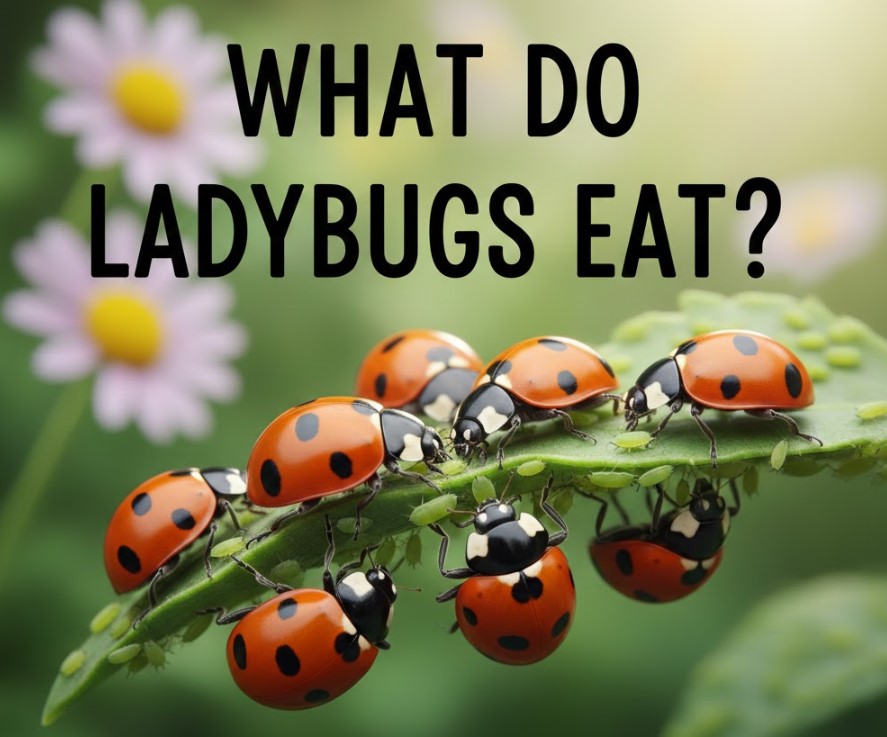
Ladybugs are often celebrated for their vibrant colors and their role in pest control, particularly in gardens. However, beyond their charming appearance, many people wonder: What do ladybugs eat? Whether you are an avid gardener, a curious pet owner, or simply someone fascinated by these little creatures, understanding their diet can provide fascinating insights into their behavior and ecology.
In this comprehensive guide, we’ll explore the diverse diet of ladybugs, what they eat both indoors and outdoors, and how their eating habits impact the environment. Let’s dive into the world of ladybugs and uncover the details behind their nutrition.
What Do Ladybugs Eat?
Ladybugs, also known as ladybird beetles, are primarily carnivorous insects. While they are often admired for their brightly colored shells and tiny size, they play an important role in controlling the population of pests, especially aphids. Their diet consists mostly of other small insects and pests, but it also varies based on the species and the environment they are in.
The most common food of ladybugs are aphids, which they devour in large numbers. Aphids are tiny pests that feed on plants, and ladybugs have evolved to thrive on this diet. This relationship is beneficial for gardeners, as ladybugs help to naturally control aphid populations, which are known to harm crops.
What Do Ladybugs Eat and Drink?
In addition to feeding on aphids, ladybugs also consume other soft-bodied insects, including scale insects, mealybugs, and mites. Some ladybug species may even eat the eggs of other insects. However, their primary food source remains aphids.
When it comes to drinking, ladybugs consume water in much the same way as other insects. They drink water by soaking it up through tiny pores on their bodies. In their natural habitat, ladybugs obtain water from dew, rain, or moisture present on plants and other surfaces.
Also Read: Harris Dickinson Height: Exact Measurement and Physical Profile
What Do Ladybugs Eat in the House?
When ladybugs invade your home, they are likely looking for warmth and shelter, particularly in the winter months. In a domestic setting, ladybugs do not have access to their typical outdoor food sources, like aphids. Therefore, inside the house, ladybugs may not feed at all, relying instead on stored energy.
However, if they find food sources indoors, such as small insects or spider mites, they may feed on those. It’s important to note that ladybugs are not harmful to humans or pets, and their presence indoors is typically more of an inconvenience than a problem.
What Do Ladybugs Eat Indoors?
When ladybugs are inside your home, they may feed on tiny insects that can be found in corners or cracks, such as aphids (if plants are present) or small mites. However, it’s rare for ladybugs to find a steady food supply indoors, as their primary diet of aphids and other pests isn’t usually present.
If you have plants indoors, you may find that ladybugs will congregate on these plants, potentially feeding on aphids and other small pests. This is particularly common in homes with houseplants that may attract aphids, making them a perfect target for ladybugs looking for a meal.
Pet Ladybugs: What Do Ladybugs Eat?
If you are raising ladybugs as pets, it’s important to replicate their natural diet to keep them healthy. In captivity, ladybugs can be fed a diet of aphids, which can be found on plants or bought from pet stores. If aphids are not available, other small insects like mealybugs or spider mites can serve as suitable alternatives.
Ladybugs in captivity are typically easier to care for than other pets because they require minimal food and water. Ensure that they have access to suitable food sources and a water supply, and you can keep them for a long time without much trouble. Just be sure to release them back into the wild once you are finished observing them, as ladybugs are important for pest control in natural ecosystems.
What Do Ladybugs Eat Besides Aphids?
While aphids make up the bulk of a ladybug’s diet, they do not exclusively consume them. Ladybugs are opportunistic feeders and will take advantage of other available food sources. Some species will feed on small insects, such as:
- Scale insects: These are small, soft-bodied insects that attach to plants and can be harmful to crops.
- Mealybugs: Mealybugs are another pest that ladybugs will happily consume.
- Spider mites: These tiny arachnids feed on plants and can cause damage, making them a viable food source for ladybugs.
- Other small invertebrates: Depending on the species, ladybugs may feed on various other small creatures, including the eggs of pests.
Understanding what ladybugs eat besides aphids helps to highlight their role in maintaining balance in the ecosystem. By feeding on a wide range of pests, they help protect plants and crops from harmful infestations.
Also Read: What to Pack for a Europe Trip | Essential Packing Tips for Every Season
What Do Ladybugs Eat in the Winter?
In winter, ladybugs typically enter a period of dormancy, as their food sources become scarce. Ladybugs will often seek shelter in warm, dry places, such as cracks in walls or under tree bark. During this time, they do not actively feed, but rather rely on the fat stores they have accumulated during the warmer months.
If you find ladybugs indoors during the winter, they are likely in hibernation and will not require food. It’s best to leave them undisturbed, as they will not harm your home or plants. If you want to help them, you can place them outside in a sheltered spot when the weather warms up.
What Do Ladybugs Eat Other Than Aphids?
Ladybugs are not just confined to eating aphids. They will also consume a variety of other insects and pests. Some ladybugs eat:
- Whiteflies: Tiny flying insects that are often found on plants and cause damage.
- Leafhoppers: Another plant pest that ladybugs will eat when available.
- Thrips: These tiny, elongated insects are common in gardens, and ladybugs are known to feed on them.
By feeding on such a wide variety of pests, ladybugs help protect plants, crops, and gardens from damage. Their diet contributes to the natural balance of ecosystems by controlling populations of harmful insects.
What Do Ladybugs Eat for Kids?
If you’re teaching children about ladybugs and their diet, it’s essential to explain in simple terms. Ladybugs are helpful insects that eat small bugs like aphids, which can hurt plants. You can explain that ladybugs help keep gardens and plants healthy by eating the bad bugs, making them important allies for gardeners.
For a fun activity, you can also show kids how ladybugs might be keeping your garden safe by eating pests. Explain that ladybugs like to eat bugs, not plants, and that’s why they’re great at helping gardeners.
Also Read: What Do Cavities Look Like? Understanding Dental Decay Stages
What Do Ladybugs Eat Plants?
While ladybugs mainly eat insects, they do have some influence on plants. Ladybugs feed on aphids and other pests that attack plants. By consuming aphids, ladybugs help prevent damage to plants and crops. Aphids suck the sap from plants, weakening them and sometimes causing them to die. By reducing aphid populations, ladybugs indirectly protect plants.
While ladybugs don’t eat the plants themselves, their diet of aphids and other plant pests plays a crucial role in keeping gardens and fields healthy.
What Do Ladybugs Eat in Captivity?
In captivity, ladybugs can be fed a diet of aphids, small insects, or even a special diet mix available at pet stores. If you’re keeping ladybugs as pets or for educational purposes, providing them with a steady supply of aphids is essential. If you don’t have access to aphids, you can offer them a mix of other small pests, such as mealybugs, spider mites, or scale insects.
Remember, ladybugs need access to fresh water as well. They can drink from droplets of water or from the moisture found in plants. Keeping the environment humid will help meet their water needs.
What Do Ladybugs Eat That Humans Eat?
Interestingly, ladybugs may occasionally eat human food if it’s left out. However, this is rare, as ladybugs are not attracted to typical human foods. They may be drawn to sweet, sugary substances, especially if they are near a source of water. For example, ladybugs might be attracted to sugary plant sap or overripe fruit.
However, ladybugs do not rely on human food for survival, and it is highly unlikely that they would seek out human food as a primary source of nutrition.
What Do Ladybugs Eat When They Are in Your House?
When ladybugs are inside your home, they are likely in search of warmth and shelter, particularly during the colder months. They may not find a steady supply of food indoors, as their primary food sources are aphids and small insects. However, if there are small insects such as mites or aphids present, ladybugs may feed on them. Otherwise, ladybugs typically rely on stored fat during their time indoors.
Also Read: What Do Crickets Eat? Complete Guide on Their Diet in Various Environments
Conclusion
Ladybugs are fascinating creatures with an important role in pest control. From their diet of aphids to their occasional consumption of other small pests, ladybugs are natural predators that help protect plants and crops from harmful infestations. Whether they are living outdoors or indoors, in captivity or in the wild, ladybugs are adaptable creatures with a diverse diet.
By understanding what ladybugs eat, we can appreciate their role in maintaining a healthy ecosystem and provide them with the care they need if we choose to raise them in captivity. The next time you spot a ladybug, you can confidently say that it’s likely doing its part to keep pests under control!
FAQs
1. Do ladybugs eat other insects besides aphids?
Yes, ladybugs are opportunistic feeders and will eat a variety of soft-bodied insects, including mealybugs, spider mites, scale insects, and even the eggs of other insects.
2. What do ladybugs drink?
Ladybugs drink water by absorbing it through small pores on their bodies. They typically get water from dew, rain, or moisture from plants.
3. Do ladybugs eat plants?
No, ladybugs do not eat plants. They primarily consume pests, such as aphids, that harm plants.
4. What do ladybugs eat in the winter?
Ladybugs enter a period of dormancy during the winter months and do not actively feed. They rely on the fat reserves they’ve accumulated during warmer months.
For more update visit dailycaller.co.uk
