


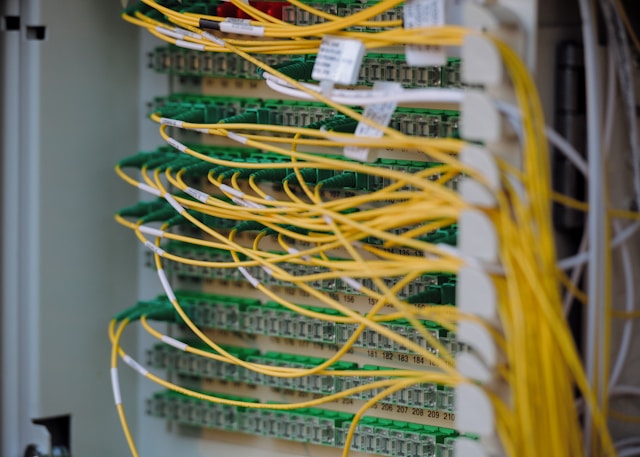
The role of wire connectors is essential in every electrical system, whether in homes, vehicles, appliances, or large industrial setups. These small but powerful components ensure safe, stable electrical connections that keep devices running smoothly and prevent dangerous wiring issues.
History and Development of Wire Connectors
The evolution of wire connectors started with basic twisted copper wires wrapped with cloth insulation. Early electricians relied on manual twisting and soldering to create strong electrical bonds, but these methods were slow and often unsafe. As electrical systems expanded, the demand for safer, standardized connection methods grew. Manufacturers created twist-on connectors, followed by push-in and crimp styles, which made wiring easier and more reliable. Today, connectors feature durable plastics, heat-resistant materials, and advanced designs that support modern electronics, smart devices, and high-efficiency appliances.
Types of Wire Connectors
A wide variety of wire connectors exist to match different wiring needs. Twist-on connectors remain popular for household work because they are simple and secure. Push-in connectors, common in electrical boxes, allow quick installation without twisting. Crimp connectors are widely used in vehicles and appliances for strong, vibration-resistant connections. Solder connectors create permanent, conductive joints for electronics. Terminal blocks help organize multiple wires and support industrial systems. There are also specialty connectors designed for waterproof environments, high-heat applications, and heavy-duty machinery.
Also Read This:- iPad Mini iPad Mini 4: Complete Guide, Features, Performance, Design, Updates, and Buying Insights
How Wire Connectors Work
The purpose of wire connectors is to hold wires firmly together while ensuring strong electrical conductivity. When wires are inserted and tightened, metal components inside the connector grip the copper strands and create a stable path for electricity. Proper pressure prevents loose wiring, overheating, and electrical arcing. Some connectors rely on twisting, others use metal clamps, and induction-style connectors use screws or springs. Regardless of type, the goal is the same—secure the connection while insulating it from moisture, air, and accidental contact.
Selecting the Right Wire Connectors
Choosing the correct wire connectors depends on several factors. Wire gauge determines the connector size needed for a proper fit. Voltage and amperage ratings ensure the connector can handle the electrical load. Material quality is important for durability and heat resistance. Environmental conditions such as moisture, heat, or vibration require specific connector types. For example, waterproof connectors suit outdoor lighting, while crimp connectors work best in automotive wiring. Matching the right connector to the job ensures long-lasting safety and performance.
Safety Importance of Wire Connectors
Safety is a critical advantage of using wire connectors. Loose or exposed wires can cause electrical shorts, fires, or shock hazards. A proper connector secures the wires, prevents overheating, and ensures consistent contact. Insulation prevents accidental touches, while non-conductive shells reduce risk. Using the correct connector type reduces the risk of wire separation and improves system reliability. Following safety guidelines protects both homeowners and professionals from dangerous electrical failures.
Installation Tips for Wire Connectors
Correct installation greatly affects how well wire connectors work. For twist-on connectors, wires should be stripped to the right length and twisted together firmly before attaching the cap. Push-in connectors require cleanly stripped wires inserted fully until locked. Crimp connectors need a proper crimping tool to apply pressure evenly. Avoid over-stripping wires, as it can expose live metal. Always check for secure fits by gently tugging the wires. Proper installation ensures strong conductivity and long-term safety.
Common Problems With Wire Connectors
Even quality wire connectors can develop issues if installed incorrectly. Loose connections often result from mismatched sizes or improper tightening. Corrosion forms on connectors used in damp or outdoor environments without protection. Overheating occurs when connectors handle more current than they are rated for. Damaged insulation can expose wires and create hazards. Recognizing these problems early prevents more serious electrical issues.
How to Fix Issues With Wire Connectors
Fixing problems with wire connectors usually involves simple troubleshooting. Loose connectors should be removed and replaced with the correct size. Corroded connectors require cleaning and replacing with weather-resistant versions. Overheated connectors should be replaced with higher-rated components after ensuring the cause is resolved. Damaged insulation can be fixed by installing new connectors and adding heat-shrink tubing. Proper repairs restore safe and stable electrical connections.
Applications of Wire Connectors in Daily Life
You’ll find wire connectors in nearly every electrical system around you. Home wiring uses them to connect outlets, switches, and ceiling fixtures. Appliances rely on connectors to link motors, heating elements, and control boards. Vehicles use them to power lights, sensors, and electrical systems that endure vibration. Industrial plants depend on connectors to run machinery, control panels, and heavy-duty circuits. Their widespread use highlights their importance in modern electrical safety and convenience.
Advanced and Modern Connector Designs
As technology evolves, wire connectors also become more advanced. Smart connectors include indicators that verify proper connection. Reusable connectors support quick maintenance without cutting or stripping wires repeatedly. Quick-connect systems help electricians complete installations faster. Heat-shrink connectors combine soldering and insulation in one step, improving weather resistance. Modern designs reflect growing demand for faster, safer, and higher-quality electrical connections.
Also Read This:- 2025 Cadillac Lyriq for Sale: Exploring the Future of Electric Luxury
Cost and Quality Considerations
The cost of wire connectors varies based on material, brand, and performance level. Budget connectors offer basic safety but may wear down faster. Mid-range connectors provide better insulation and stronger internal metal components. Premium connectors, often used in professional or industrial settings, withstand heat, vibration, and moisture more effectively. Investing in quality connectors prevents future failures, repairs, and safety hazards.
Conclusion
wire connectors are essential components that make electrical systems safe, reliable, and efficient. Understanding their types, uses, and installation techniques helps homeowners, electricians, and technicians avoid hazards and improve system longevity. By selecting high-quality connectors and installing them properly, you ensure safer wiring and better performance across all electrical applications.
FAQs
What are wire connectors used for?
They join electrical wires securely to create safe and stable connections.
Which wire connector is best for home wiring?
Twist-on and push-in connectors are commonly used for residential electrical boxes.
Why do wire connectors melt or overheat?
They may be undersized, overloaded, loose, or used with incompatible wires.
Can I reuse wire connectors?
Some modern connectors are reusable, but many types should be replaced after removal.
Are waterproof wire connectors necessary outdoors?
Yes, moisture-resistant and sealed connectors are essential for outdoor electrical safety.
For more update visit dailycaller.co.uk
