


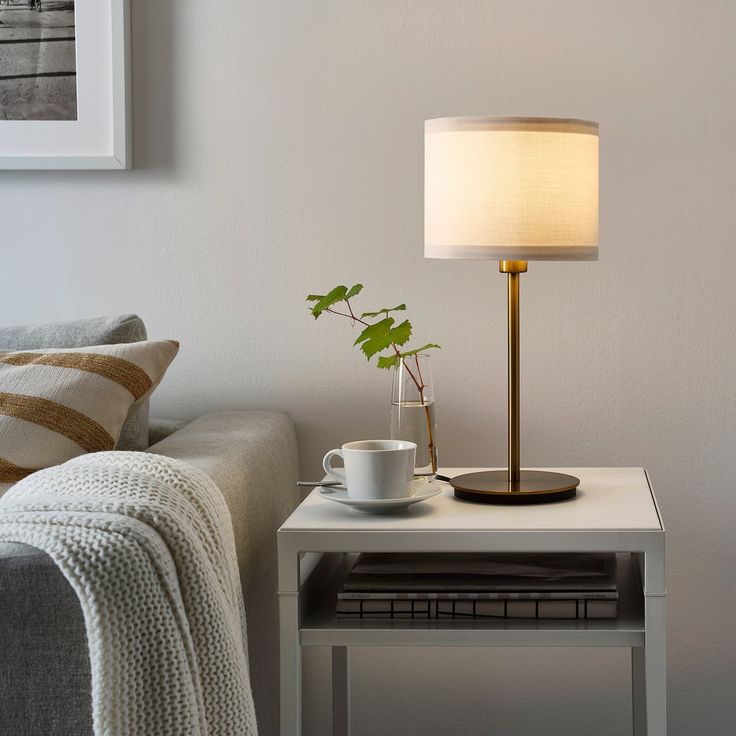
A Small Bedside Table may seem like a modest piece of furniture, but it plays a powerful role in shaping comfort, organization, and style in modern bedrooms. Especially in compact homes and apartments, this essential nightstand balances form and function, offering convenience without overwhelming limited space.
Origins and Background of the Small Bedside Table
The Small Bedside Table has its roots in early bedroom furniture traditions where practicality was prioritized over decoration. Historically, people needed a nearby surface to hold candles, books, or personal items while resting. As living spaces became more structured and furniture design evolved, bedside tables emerged as dedicated companions to the bed. Over time, the small bedside table gained recognition as a purposeful solution for bedrooms where space was limited but functionality was still essential.
Early Design History and Practical Purpose
Early versions of the Small Bedside Table were simple wooden stands with minimal detailing. Their primary function was to provide easy access to nighttime essentials. As craftsmanship improved, drawers and shelves were added to increase usability. The practical purpose remained unchanged—to offer convenience without clutter. These early designs laid the foundation for modern small bedside tables that continue to prioritize efficiency and accessibility.
Also Read This:- Home Hacks Decoradtech: Transform Your Living Space
Role of the Small Bedside Table in Everyday Life
In everyday life, the Small Bedside Table acts as a silent helper. It holds alarm clocks, lamps, books, glasses, and personal items that need to be within arm’s reach. Its presence reduces daily stress by keeping essentials organized and accessible. Whether used for winding down at night or starting the morning smoothly, the small bedside table supports daily routines in subtle yet meaningful ways.
Age and Evolution of Small Bedside Table Designs
The Small Bedside Table has evolved alongside changes in interior design and living habits. Earlier designs focused purely on utility, while modern versions balance practicality with aesthetics. As homes became smaller and more urban, the demand for compact furniture grew. This evolution led to slimmer profiles, multifunctional designs, and innovative storage solutions, making the small bedside table more adaptable than ever before.
Physical Appearance and Size Characteristics
The defining feature of a Small Bedside Table is its compact size. Designed to fit comfortably beside a bed without overwhelming the room, it typically features a narrow width and modest height. Despite its size, attention is given to proportions to ensure visual balance. Clean lines, subtle curves, or minimal ornamentation help the table blend seamlessly into various bedroom styles while maintaining a polished appearance.
Materials, Finishes, and Build Personality
Materials play a crucial role in shaping the personality of a Small Bedside Table. Wooden tables offer warmth and timeless appeal, while metal frames introduce a modern, industrial touch. Glass and high-gloss finishes add a sense of lightness, making small spaces feel more open. The choice of finish—natural, painted, or textured—allows the bedside table to complement or contrast with surrounding furniture, enhancing the overall bedroom aesthetic.
Relationship With the Bed and Bedroom Layout
The Small Bedside Table shares a close relationship with the bed, both functionally and visually. Its height is carefully aligned with the mattress for ease of access, and its placement influences room flow. In compact bedrooms, a well-chosen small bedside table can prevent overcrowding while maintaining symmetry. Its role in the bedroom layout is to support comfort without disrupting balance or movement.
Connection With Users and Daily Routines
A Small Bedside Table becomes deeply connected to its user’s habits. It holds nighttime essentials, morning reminders, and personal items that reflect individual routines. Over time, it adapts to lifestyle changes, whether accommodating new gadgets or shifting storage needs. This personal connection transforms the bedside table from a simple piece of furniture into an integral part of daily life.
Storage Functionality and Design Variations
Storage is a defining feature of the Small Bedside Table. Some designs include a single drawer for discreet storage, while others feature open shelves for easy access. Minimalist versions may offer only a surface, relying on simplicity. These design variations cater to different needs, from hiding clutter to showcasing decorative items. The flexibility of storage options ensures that small bedside tables remain versatile and practical.
Challenges of Small Spaces and Smart Solutions
Small bedrooms present unique challenges, and the Small Bedside Table addresses them through smart design. Narrow footprints, vertical storage, and lightweight materials help maximize usability without consuming valuable space. Some designs incorporate multifunctional elements, such as built-in charging areas or hidden compartments. These solutions demonstrate how thoughtful design can overcome spatial limitations while enhancing convenience.
Modern Trends and Style Influence
Modern interior trends have significantly influenced the Small Bedside Table. Minimalist designs emphasize clean lines and neutral tones, while contemporary styles experiment with bold finishes and mixed materials. Sustainability has also become a key consideration, encouraging the use of eco-friendly materials. These trends reflect a broader shift toward furniture that is both stylish and responsible, reinforcing the bedside table’s relevance in modern living.
Also Read This:- Outdoor Living Enhanced by scout motors Design
Future Outlook and Lasting Importance of the Small Bedside Table
The future of the Small Bedside Table lies in adaptability and innovation. As living spaces continue to shrink, demand for compact, multifunctional furniture will grow. Smart features and modular designs may further enhance usability. Despite evolving trends, the small bedside table’s core purpose—providing comfort and organization—will remain unchanged. Its lasting importance lies in its ability to adapt while continuing to serve everyday needs.
FAQs
What is the ideal height for a small bedside table?
A Small Bedside Table should be level with or slightly below the mattress for easy access.
Can a small bedside table provide enough storage?
Yes, many Small Bedside Table designs offer efficient drawers or shelves for essentials.
Is a small bedside table suitable for large bedrooms?
A Small Bedside Table can work well in large bedrooms when a minimalist look is desired.
What materials are best for durability?
Wood and metal are popular choices for a long-lasting Small Bedside Table.
How do I choose the right style?
Select a Small Bedside Table that complements your bed, room size, and daily needs.
For more update visit dailycaller.co.uk
