


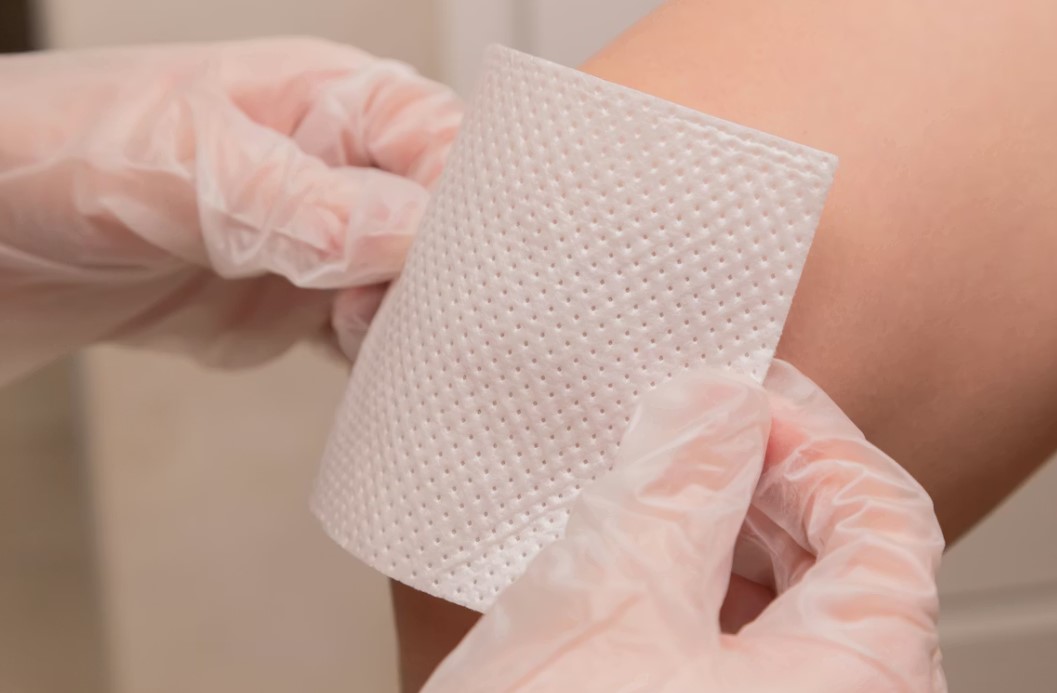
The GLP-1 patch has become a hot topic in the world of weight loss and diabetes management. GLP-1 medications are well-known for their ability to aid in controlling blood sugar levels and promoting weight loss, but the GLP-1 patch offers a more convenient and discreet method of administration. This breakthrough product has gained significant attention due to its potential to make GLP-1 therapies more accessible and easier to use for individuals managing conditions like Type 2 diabetes or obesity.
In this comprehensive guide, we’ll delve into everything you need to know about the GLP-1 patch, including how it works, its benefits, potential side effects, and why it may be a viable option for those considering GLP-1 medications. Whether you’re already familiar with GLP-1 medications or just starting your research, this article will provide you with all the details.
What is the GLP-1 Patch?
The GLP-1 patch is a transdermal patch designed to deliver glucagon-like peptide-1 (GLP-1) to the body through the skin. GLP-1 is a hormone that plays a significant role in regulating blood sugar levels, insulin secretion, and appetite. The patch allows individuals to benefit from the therapeutic effects of GLP-1 supplements without the need for injections or oral medications.
Unlike traditional GLP-1 medications, which are typically injected, the GLP-1 patch provides a more discreet and convenient alternative. The patch releases the hormone gradually over time, ensuring consistent therapeutic effects while eliminating the need for daily injections.
Also Read: Discover How Olaplex Shampoo Supports Hair Health Naturally
How Does the GLP-1 Patch Work?
The GLP-1 patch functions by releasing a controlled dose of GLP-1 medication through the skin into the bloodstream. This hormone works in several ways to help manage conditions such as Type 2 diabetes and obesity:
- Blood Sugar Control: GLP-1 stimulates the release of insulin in response to meals, helping lower blood sugar levels and improve glucose metabolism.
- Appetite Regulation: It also works in the brain to reduce appetite, leading to decreased food intake and weight loss.
- Slower Gastric Emptying: GLP-1 slows the emptying of food from the stomach, promoting satiety and contributing to weight management.
Because the patch delivers a steady, controlled release of GLP-1, users can experience the benefits of the medication without the peaks and valleys associated with injectable treatments.
Types of GLP-1 Medications and Their Comparison
There are several types of GLP-1 medications available, each offering different methods of administration and effects. Here’s a quick comparison:
- GLP-1 Injections: These are the most common form of GLP-1 medications. They are injected into the body, typically once a week, to help control blood sugar and promote weight loss.
- GLP-1 Oral Medications: A newer form of GLP-1 medication, oral tablets like semaglutide (brand name Ozempic) are available. These are convenient for individuals who prefer not to inject themselves.
- GLP-1 Patch: This is a convenient alternative to injections and oral medications. The patch offers a steady release of GLP-1, providing the same benefits as the injectable form without the need for needles.
Benefits of the GLP-1 Patch
The GLP-1 patch comes with several benefits that make it an appealing option for people looking for effective management of Type 2 diabetes, weight loss, or both. Here’s why many people are opting for this convenient treatment option:
1. Convenience and Discreetness
Unlike injections, which can be cumbersome and intimidating for some, the GLP-1 patch is easy to apply and discreet. You simply place it on your skin and let it work its magic over time. This convenience is one of the reasons why GLP-1 patches have become so popular among individuals who may struggle with the inconvenience of daily injections.
2. Continuous, Controlled Release
The patch delivers a continuous, steady dose of GLP-1 over several days, ensuring a more consistent therapeutic effect. This eliminates the fluctuations often associated with oral medications or injections, making it an effective long-term solution for managing blood sugar levels and weight.
3. Effective Weight Loss and Blood Sugar Control
Studies have shown that GLP-1 medications, including the GLP-1 patch, are highly effective at helping individuals lose weight and control blood sugar. The hormone’s ability to reduce appetite and regulate insulin secretion makes it a powerful tool in the fight against obesity and Type 2 diabetes.
4. No Need for Injections
For those who fear needles or are uncomfortable with injections, the GLP-1 patch offers an appealing alternative. No more worrying about needles, injections, or trips to the doctor’s office for shots.
Also Read: thca vs thc Guide: Understanding Differences & Effects
GLP-1 Patch Side Effects: What to Expect
While the GLP-1 patch is generally well-tolerated, it is important to be aware of potential side effects. Like any medication, GLP-1 patches can cause some adverse reactions in certain individuals. Here are the most common side effects associated with GLP-1 patches:
1. Skin Irritation
Since the patch is applied directly to the skin, some people may experience mild irritation at the site of application. This can include redness, itching, or a rash. It is usually temporary and resolves once the patch is removed.
2. Gastrointestinal Issues
Some users may experience mild gastrointestinal discomfort, including nausea, vomiting, or diarrhea. These side effects are often more common during the initial stages of treatment and tend to subside as the body adjusts.
3. Hypoglycemia (Low Blood Sugar)
Although rare, GLP-1 medications can cause low blood sugar, especially when used in combination with other diabetes medications like insulin. Symptoms of hypoglycemia include dizziness, shakiness, and confusion.
4. Headaches and Fatigue
Some users may report feeling tired or experiencing headaches while using the patch. These side effects are usually mild and tend to resolve over time.
Does the GLP-1 Patch Work? Exploring Its Effectiveness
When it comes to any medication, the question of whether it works is always top of mind. So, does the GLP-1 patch work? Based on clinical studies and user feedback, the GLP-1 patch has proven to be an effective tool in managing blood sugar levels and promoting weight loss.
Studies show that GLP-1 patches offer similar effectiveness to injectable GLP-1 medications in controlling blood sugar and reducing appetite. In fact, many users report significant weight loss and improved glucose control after using the patch for just a few weeks.
However, as with any medication, the results can vary depending on individual factors such as lifestyle, diet, and other medications being taken.
Best GLP-1 Patch: Choosing the Right One
Not all GLP-1 patches are created equal. When choosing the best GLP-1 patch, consider the following factors:
- Dosage: Different patches deliver different amounts of GLP-1. Make sure to choose one that aligns with your healthcare provider’s recommendations.
- Skin Sensitivity: Some patches may cause more irritation than others. Look for a patch that suits your skin type and sensitivity.
- Brand Reputation: Opt for a reputable brand that has positive reviews and offers transparency in its clinical trials and customer feedback.
Some popular brands of GLP-1 patches include Semaglutide (Ozempic), but it’s important to consult your healthcare provider to find the best option for your specific needs.
Also Read: Bulk Supplements Creatine: Benefits, Usage, and Fitness Results
Conclusion: Is the GLP-1 Patch Right for You?
The GLP-1 patch offers a convenient, effective, and discreet way to manage Type 2 diabetes, promote weight loss, and improve overall metabolic health. With its steady release of GLP-1, it provides consistent benefits without the hassle of injections. However, as with any medication, it’s important to consult with your healthcare provider to determine if this treatment is right for you.
If you’re looking for an easy-to-use alternative to injections, the GLP-1 patch could be a game-changer. By understanding its benefits, side effects, and effectiveness, you can make an informed decision about whether to incorporate it into your health regimen.
FAQs
Q1: How long does the GLP-1 patch last?
The GLP-1 patch typically lasts for about 7 days, after which it needs to be replaced.
Q2: Are there any specific instructions for using the GLP-1 patch?
Yes, it’s important to apply the patch to clean, dry, and hairless skin. Follow the manufacturer’s guidelines for proper usage.
Q3: Can the GLP-1 patch be used with other diabetes medications?
Always consult with your healthcare provider before combining the GLP-1 patch with other medications to avoid potential interactions.
For more update visit dailycaller.co.uk
