


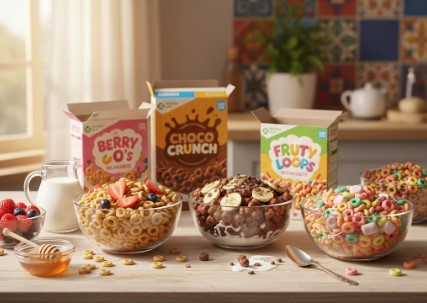
The story of breakfast cereal begins in the late 19th century, when early health reformers sought foods that supported digestion and clean eating. What started as a simple, plain, grain-based product gradually transformed into a global breakfast staple. Over the years, cereal has taken many forms—whole grains, crunchy flakes, colorful shapes, sweetened puffs, and high-fiber mixes—each offering its own nutritional profile. As lifestyles grew busier, cereal became valued for convenience and quick preparation, making it a central part of morning routines for families, students, and workers worldwide.
A Brief History of Breakfast Cereal
The evolution of breakfast cereal is rooted in health movements from the 1800s. Inventors like Dr. John Harvey Kellogg sought to create simple foods that supported digestion and avoided heavy, greasy breakfasts. Early versions were bland but considered healthier than traditional meals of meats or fried foods. By the early 1900s, cereal companies expanded rapidly, adding new flavors, shapes, and grains. With time, cereals became fortified with vitamins and minerals, transforming them into a readily accessible source of nutrition. Today, their history is a blend of health innovation, food technology, and cultural influence.
Types of Breakfast Cereals
Cereals now come in many forms, allowing consumers to choose options that match their taste and nutritional needs. Whole-grain cereals remain among the healthiest, offering fiber and essential nutrients. Bran cereals support digestive health, while cornflakes appeal to those who enjoy a lighter texture. Granola provides crunch and energy, often mixed with nuts or seeds. Sweetened cereals, although popular among children, typically contain high sugar levels, making them less suitable for daily consumption. There are also high-protein cereals, gluten-free options, and oatmeal-based blends for shoppers seeking specific dietary benefits.
Nutritional Profile of Breakfast Cereals
A strong reason for the widespread popularity of breakfast cereal is its versatile nutrition. Many cereals provide a base of carbohydrates for energy, along with fiber to support digestion. Fortified cereals offer B vitamins, iron, and essential minerals. Whole-grain varieties supply antioxidants, magnesium, and plant compounds known to promote heart health. Some modern cereals are enhanced with extra protein or probiotics to appeal to active individuals and those focused on gut wellness. However, not all cereals are equal—nutrient density varies based on ingredients, processing, and added sugars.
Breakfast Cereal and Health: The Positive Side
Choosing the right type of breakfast cereal can contribute to numerous health benefits. Fiber-rich cereals support regular digestion and help maintain cholesterol levels. Whole grains promote long-term heart health, while fortified varieties help fill nutrient gaps in busy lifestyles. Cereals combined with milk, yogurt, or fruit create a balanced meal that supports sustained energy and a stronger metabolism. For individuals with limited time in the morning, cereal becomes a convenient solution that still offers nutrients when selected thoughtfully.
Also Read This:- How Health Improves After Successful Colorectal Cancer Surgery
Potential Health Concerns
Despite these advantages, not all cereals qualify as healthy. Many popular brands contain high levels of added sugar, artificial flavors, and refined grains that lack fiber. These ingredients can contribute to weight gain, blood sugar spikes, and poor nutrient balance. Some cereals are calorie-dense due to coatings or additives. Understanding these risks helps consumers avoid products that may appear healthy on the surface but deliver minimal nutritional value. Being aware of ingredient lists and nutrition labels is crucial for maintaining health through cereal consumption.
How to Choose a Healthy Breakfast Cereal
Smart cereal selection begins with reading labels carefully. The best choices contain whole grains as the first ingredient, with low sugar levels and at least 3–5 grams of fiber per serving. Avoid cereals with a long list of artificial additives or refined grains such as “enriched flour.” Look for natural ingredients, minimal sweeteners, and moderate sodium levels. Cereals with nuts, seeds, or dried fruit offer additional nutrients and improve satiety. By prioritizing quality ingredients, consumers can turn cereal into a dependable health-supporting meal rather than an occasional treat.
Breakfast Cereal for Different Age Groups
Different age groups have unique nutritional needs, and breakfast cereal can be adapted accordingly. Children often need cereals that provide iron, B vitamins, and moderate fiber, without excess sugar. Adults benefit from high-fiber and whole-grain options that support heart and digestive health. Seniors may prefer cereals that are easy to chew yet nutrient-dense. Athletes and active individuals often look for cereals containing extra protein, whole oats, or nuts to support sustained energy and muscle maintenance. The versatility of cereal makes it suitable for nearly everyone when chosen mindfully.
Breakfast Cereal in Weight Management
Cereals play a valuable role in weight management when chosen correctly. High-fiber varieties help promote fullness, reducing overeating later in the day. Whole-grain cereals digest slowly, providing steady energy and preventing cravings. Pairing cereal with protein-rich additions such as yogurt, nuts, or seeds enhances satiety. Portion control also matters—measuring out servings can prevent accidental calorie overload from large bowls. When incorporated into a balanced diet, breakfast cereal becomes a practical tool for maintaining a healthy weight.
Breakfast Cereal for Gut and Heart Health
Whole-grain cereals contain natural fibers and compounds that are known to support heart wellness. Fiber helps reduce cholesterol levels, while magnesium and antioxidants assist cardiovascular function. Some cereals include added probiotics, making them beneficial for the gut. Bran-based and oat-based cereals are especially effective in boosting digestive health. Regular consumption of high-fiber cereal can improve bowel regularity and support a healthy microbiome. These combined benefits make breakfast cereal a powerful part of a heart-friendly and gut-friendly diet.
Also Read This:- Healthy Food JustALittleBite: Your Ultimate Guide to Nourishing Meals
Healthy Pairings and Serving Ideas
Enhancing the nutrition of breakfast cereal is easy with thoughtful pairings. Fresh fruits like berries or bananas add vitamins, antioxidants, and natural sweetness. Nuts and seeds provide healthy fats, proteins, and minerals. Milk, plant-based milk, or yogurt contributes calcium and additional protein. Some people enjoy mixing multiple cereals for taste and texture variety. Warm cereals like oatmeal can be topped with honey, spices, or fruit for a flavorful and nutritious meal. These combinations create balanced, satisfying breakfasts that support long-term wellness.
Common Myths About Breakfast Cereal
A common myth is that all cereals are unhealthy or overly processed. While some options contain excessive sugar, many cereals offer valuable nutrients when chosen wisely. Another misconception is that cereal cannot keep you full; in reality, high-fiber and protein-enhanced varieties provide lasting satiety. Some believe cereal is only for children, but adults and seniors also benefit from whole-grain blends. Understanding the truth behind these myths helps consumers make confident decisions about incorporating breakfast cereal into their daily routines.
Conclusion: The Role of Breakfast Cereal in a Healthy Lifestyle
Breakfast cereal continues to be a practical, versatile, and health-supporting choice when selected with care. Whether focusing on heart health, digestion, weight control, or simple convenience, cereal offers a wide spectrum of benefits. Choosing whole grains, high-fiber ingredients, and low-sugar options ensures that cereal contributes positively to wellness. With mindful selection and nutritious pairings, breakfast cereal can remain a dependable and enjoyable part of a balanced lifestyle.
FAQs
What makes a breakfast cereal healthy?
Cereals made with whole grains, high fiber, and low sugar are considered the healthiest.
Is cereal good for weight loss?
Yes, when choosing high-fiber and low-sugar options that keep you full longer.
Are sweetened cereals okay to eat?
They can be enjoyed occasionally, but they are not the best choice for daily health.
Can cereal support heart health?
Whole-grain and oat-based cereals can support healthy cholesterol levels.
Is cereal a good option for kids?
Yes, as long as parents choose options with essential nutrients and minimal sugar.
For More Latest Update Daily Caller
